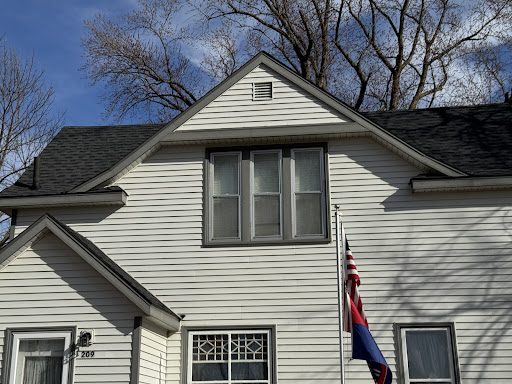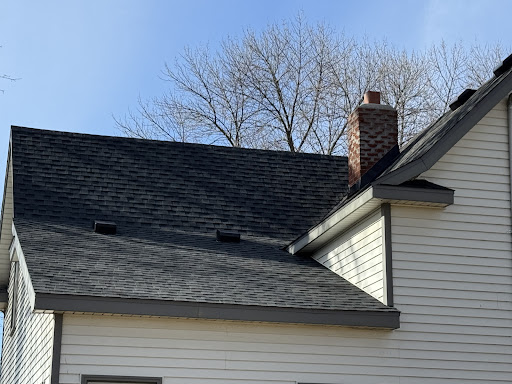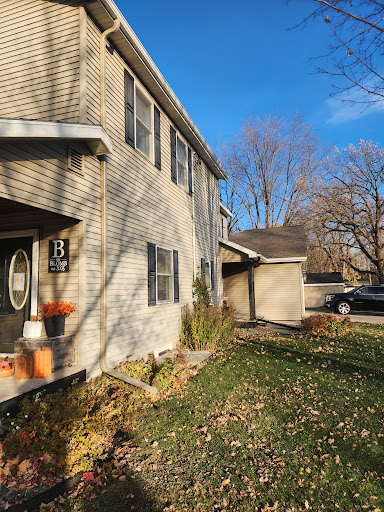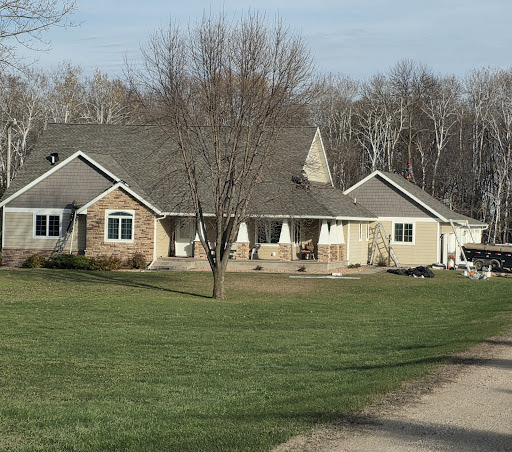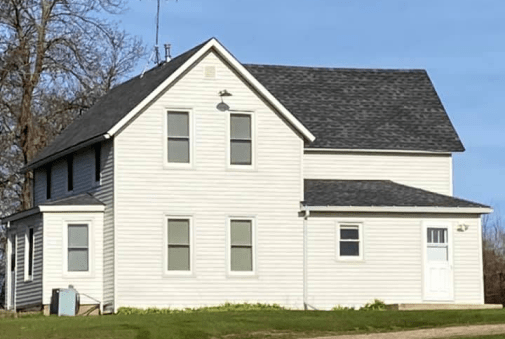

The owners, Nick and Alli, have created a company that has become a favorite among homeowners for exceptional service. Read how our team of roofers is transforming people's homes.



Welcome To Preferred Roofing:
Specializing In Shingle Roofing Systems
Appleton puts roofs through a serious workout every year. Winter temperatures regularly drop below zero, summers push into the 90s, and the region sees around 30 to 35 inches of annual precipitation spread across rain, snow, and everything in between. That kind of weather cycle puts repeated stress on roofing materials, and it tends to expose problems that milder conditions would hide. Flashing pulls away, pipe boots crack, shingles lose their grip, and what starts as a slow drip in the attic can work its way into the structure of your home before you even notice it inside.
Professional residential roof repair addresses these issues at the source rather than masking the symptoms. When Preferred Roofing inspects a roof, the focus is on finding exactly where water is getting in and why, whether that is degraded flashing at a transition, a failed pipe collar, or moisture damage that has been quietly building since last spring. Getting those details right is what separates a repair that holds through the next Minnesota winter from one that fails under the same conditions all over again.
Your home is one of your most significant investments, and the roof is its first line of protection against everything Appleton's weather delivers. Addressing small issues before they reach the roof decking or insulation layer keeps that protection intact and prevents far more expensive work down the road.
Understanding what happens during a roof repair makes the process easier to follow and helps you know what is being addressed. Here is exactly how Preferred Roofing handles residential roof repair from the initial inspection to the final walkthrough.
Minnesota weather has a way of finding every weak point in a roof, and Appleton homeowners tend to see the same problems come up again and again. Knowing what to watch for helps you catch issues early, before water works its way deeper into the structure of your home.
| Common Issue | Typical Cause | Why It Gets Worse |
|---|---|---|
| Flashing leaks | Degraded or improperly installed flashing at transitions and edges | Spring rain and temperature changes pull flashing away from seals over time |
| Failed pipe boots and collars | Cracked rubber seals around roof gaps | Sun exposure and temperature swings cause rubber to shrink and crack |
| Damaged or missing shingles | Wind, hail, or age-related wear | Exposed roof decking absorbs moisture quickly during rain and snowmelt |
| Moisture in roof decking | Slow leaks from failed seals or poor ventilation | Dry rot spreads into surrounding structure if left unaddressed |
| Ice dam damage | Heat loss through the roof deck causes uneven snowmelt | Refreezing water backs up under shingles and forces leaks inside |
Several of these issues stay hidden through mild weather and only become obvious once winter puts the roof under real pressure. Scheduling an inspection in spring or early fall gives you the best window to find and fix problems while conditions support proper sealing and material adhesion.
Steep transitions between roof sections and around gaps like chimneys and vents require properly installed steel flashing to hold up through Appleton's temperature swings and heavy snow. When these transitions are done incorrectly, or the flashing deteriorates, water finds its way in quickly, and the damage often spreads well before it becomes visible inside your home.
Pipe boots and rubber collars are among the most common failure points on Minnesota roofs, and replacing them is a standard part of what residential roof repair covers. A properly seated pipe boot sealed for cold-weather conditions stops one of the most frequent sources of attic moisture and interior leaks that Appleton homeowners deal with year after year.
When slow leaks go undetected for a season or two, the damage often reaches the roof deck itself, where moisture causes wood to soften and rot. Addressing compromised roof decking during a repair prevents the kind of structural spread that turns a small fix into a much larger project.
Poor attic ventilation is a direct contributor to ice dams, uneven snowmelt, and moisture buildup in the roof structure, and it rarely fixes itself when only the surface is repaired. As part of residential roof repair, ventilation conditions are reviewed so that the repair holds the way it should through your next Appleton winter rather than facing the same pressures that caused the original damage.
Living with Minnesota winters means your roof is always working harder than it appears from the inside. Spring and early fall are the best windows to catch problems before colder conditions arrive, but quality repairs can be completed across seasons when the work is done correctly. Addressing a failing pipe boot or worn flashing now keeps water out of the roof decking and structure of your home, protecting your investment and avoiding the kind of expensive repairs that follow years of undetected moisture.
Preferred Roofing is familiar with what roofs in this area go through and how to fix them in a way that holds. If you have noticed a leak, signs of moisture in the attic, or something that just does not look right after a hard season, reaching out for an inspection is a straightforward next step. No pressure, just honest answers about what your roof needs and what it does not.
The owners, Nick and Alli, have created a company that has become a favorite among homeowners for exceptional service. Read how our team of roofers is transforming people's homes.
If you're not sure about the state of your roof, just complete our form and our roofing experts will get in touch. They'll thoroughly inspect your roof and provide you with a detailed report on its condition.