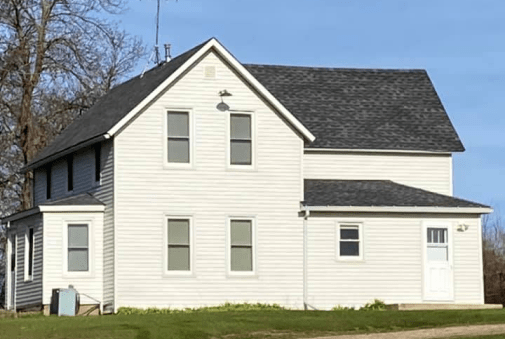

The owners, Nick and Alli, have created a company that has become a favorite among homeowners for exceptional service. Read how our team of roofers is transforming people's homes.


Welcome To Preferred Roofing:
Specializing In Shingle Roofing Systems
Bird Island winters are no small thing. With January temperatures that regularly drop into the single digits and annual snowfall pushing 30 to 40 inches, roofs here take a serious beating every year. The repeated cycle of snow accumulation, melting, and refreezing puts pressure on shingles, flashing, and eave edges in ways that only show up as visible damage once spring rolls around. Ice dams are a real concern in this climate, and when water backs up under lifted shingle tabs or through a failed flashing seam, the damage can spread well beyond the original problem area before a homeowner notices anything inside.
Older single-family homes are common in Bird Island and throughout Renville County, and many of those roofs carry aging shingles, worn underlayment, or past patchwork repairs that no longer hold up the way they once did. After a long winter, it’s worth getting a roof inspection to see what the season left behind. Cracked shingles, exposed fasteners, and loose flashing around chimneys or vents are all easy to overlook until they turn into leaks.
Preferred Roofing works with homeowners in Bird Island to catch those problems early and repair them correctly. The goal is straightforward: keep your roof tight, protect your home from water damage, and make sure the repairs actually last through the next winter and beyond.
Roof repairs can involve more than the damage you notice from the ground. Preferred Roofing examines the roof closely, explains which issues need attention, and reviews the completed repair before the job is finished.
Minnesota winters leave a mark, and spring is often when that damage becomes visible. Knowing which problems show up most often on Bird Island homes can help you recognize warning signs before a small repair turns into a much bigger project.
| Common Issue | Likely Cause | Why It Matters |
|---|---|---|
| Lifted or cracked shingles | Heavy snow weight and temperature changes breaking down seal strips | Exposed roof deck invites leaks during spring rain and snowmelt |
| Ice dam damage at eaves | Heat loss from the home melting snow that refreezes at the roof edge | Water backs up under shingles and damages underlayment and eave edges |
| Failed flashing seams | Repeated temperature changes loosening sealants around chimneys, vents, and skylights | Open seams allow water to enter at the most vulnerable roof gaps |
| Exposed fasteners | Shingle movement over time or previous patchwork repairs | Rust and gaps at fastener points are a direct path for leaks |
| Worn underlayment | Age and years of winter stress on older housing | Without sound underlayment, the roof deck has little protection if surface shingles fail |
The window between snowmelt and the next freeze is the best time to get your roof inspected and any repairs completed. Roof work in Bird Island does not require a land use permit from Renville County, so nothing is holding you back from scheduling repairs as soon as conditions allow.
Lifted shingle tabs and exposed fasteners are two of the most common entry points for leaks on Bird Island homes after winter. Repair work includes resealing tabs that have lost their bond and correcting fastener placement so your shingles stay flat and secure through the next round of heavy snow and temperature changes.
Minnesota building requirements call for ice barrier underlayment at roof edges extending at least 24 inches past the interior wall line, with more coverage on steeper roofs. If your eave details have deteriorated or were never installed correctly, this is addressed during repair, so your roof edge has proper protection before the next freeze season arrives.
Roof valleys and any spot where a pipe, vent, or skylight breaks through the surface are high-risk areas in cold climates because wind-driven snow and snowmelt collect there first. Repairs at these points focus on restoring watertight seals and replacing any materials that have cracked, separated, or worn down from years of temperature changes.
Older homes in Bird Island often carry layers of past repairs that no longer match the existing roofing system, which can create gaps, mismatched shingle profiles, and weak spots that fail quietly over time. When previous patchwork is involved, repairs are done to bring those areas into alignment with the surrounding roof so nothing is left as a weak link heading into winter.
Bird Island roofs face real seasonal pressure, and what winter leaves behind has a way of turning into bigger problems if it sits too long. Getting repairs done in the window between snowmelt and the next freeze gives you the best shot at catching damage early, keeping your home dry through spring rain, and going into next winter with a roof that is actually ready for it. A well-maintained roof also holds up your property value and keeps unexpected repair costs from catching you off guard.
Preferred Roofing is ready to help you get there. Whether you have noticed something that does not look right or you just want to know where things stand after a hard season, reaching out is a low-pressure first step. Give us a call or fill out the form on this page, and we will take it from there.
The owners, Nick and Alli, have created a company that has become a favorite among homeowners for exceptional service. Read how our team of roofers is transforming people's homes.
If you're not sure about the state of your roof, just complete our form and our roofing experts will get in touch. They'll thoroughly inspect your roof and provide you with a detailed report on its condition.