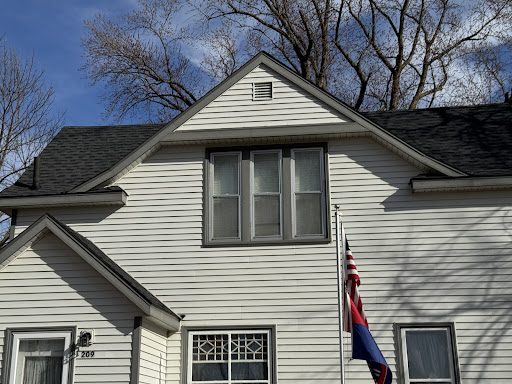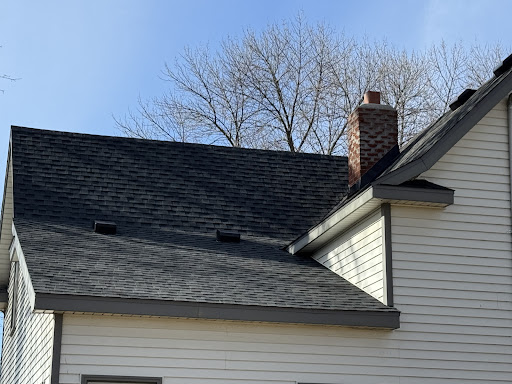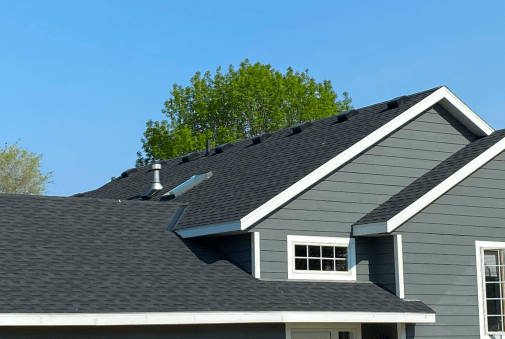
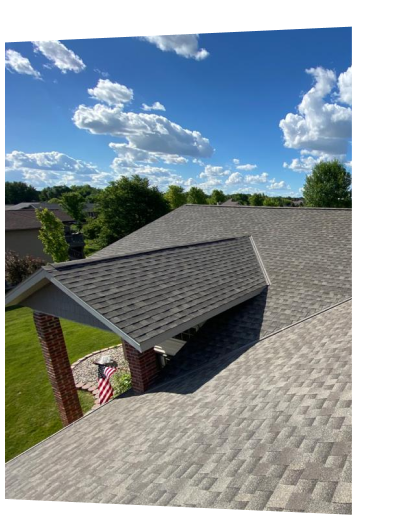
The owners, Nick and Alli, have created a company that has become a favorite among homeowners for exceptional service. Read how our team of roofers is transforming people's homes.



Welcome To Preferred Roofing:
Specializing In Shingle Roofing Systems
Roofs in this part of Minnesota take a beating year-round. Winters bring heavy snow, extended freezing temperatures, and the kind of ice buildup at the eaves that quietly forces water under shingles and into your home. Come summer, thunderstorms roll through with hail and driving rain that chips away at already worn shingles. In between, the rapid temperature changes of spring and fall cause shingles to expand, contract, and eventually crack. For homeowners in and around New London, those conditions add up fast, especially on ranch and two-story homes built in the 1970s and 1980s, where asphalt shingle roofs are now well past their intended lifespan. When those roofs start to fail, the damage rarely stays on the surface.
Preferred Roofing works with homeowners across New London and Kandiyohi County who are dealing with exactly these situations. A full roof replacement is not just about putting new shingles on top of old ones. It is an opportunity to correct ventilation problems that drive up energy costs, reinforce underlayment against the sustained gusts that come off the surrounding lakes, and choose materials built to handle impact from hail. Done right, it protects your home at every layer, from the deck up, and gives you a roof that is built for what this region actually throws at it.
Knowing what to expect before work begins makes the process easier to follow and reduces uncertainty. Here is how Preferred Roofing manages a residential roof replacement from the initial visit through completion.
Choosing the right materials for your replacement matters more here than in many other parts of the state. New London homes face a specific combination of challenges: ice buildup at the eaves, hail from summer storms, and sustained wind gusts that come off the surrounding lakes and open farmland. The table below breaks down the most relevant local conditions and how the right material choices during replacement can address them.
| Local Condition | Risk to Your Roof | Replacement Consideration |
|---|---|---|
| Temperature changes in spring and fall | Shingle cracking and granule loss over time | Impact-rated asphalt shingles with flexible composition |
| Ice buildup at eaves in winter | Water is working under the shingles and into the home | Ice and water shield underlayment in vulnerable eave areas |
| Sustained winds exceeding 50 mph | Lifted shingles and underlayment failure | Enhanced nailing patterns and wind-rated underlayment |
| Summer hailstorms | Dented or fractured shingles exposing the deck | Impact-rated shingles rated for hail resistance |
| Older attic insulation in 1970s-era homes | Poor ventilation leading to moisture and heat buildup | Ventilation inspection and upgrades while the roof is open |
Timing your replacement in late spring or early fall gives new materials the best conditions to seal and set properly before extreme weather arrives. A replacement done with these local factors in mind will hold up significantly longer than one using standard materials without accounting for what New London roofs actually face.
Every replacement starts with a full removal of your existing roofing material, not a layer added on top of what is already there. Getting down to the deck lets us spot soft spots, rot, or damaged sheathing that would compromise a new roof from day one if left in place.
Roof valleys are one of the most common failure points on New London homes, where heavy rain and snowmelt concentrate and push water toward the seams. New flashing installed at valleys, chimneys, and roof-to-wall transitions gives these high-risk areas a proper seal rather than leaving the old flashing in place under new shingles.
Many older ranch and two-story homes in Kandiyohi County have ventilation setups that do not meet current code and contribute to moisture buildup under heavy winter snow. Addressing intake and exhaust balance while the roof is open keeps your attic dry, reduces ice dam risk, and meets local permit requirements without requiring a separate project later.
A full residential roof replacement in this area requires a permit, and that paperwork matters for your home's resale value and legal standing. Preferred Roofing handles the permitting process so your project is properly documented and completed to code from start to finish.
Homes in this area have been weathering the same cycle for decades: freezing winters that stress every seam, summer storms that chip away at weakened shingles, and the gradual wear that comes from temperature swings between seasons. A roof that has reached the end of its lifespan is not just a cosmetic issue. It puts your home, your energy bills, and the long-term value of your property at risk. Getting ahead of that with a properly done replacement means fewer surprises and a home that is genuinely protected from what Minnesota winters and summers both bring.
Preferred Roofing serves homeowners throughout the New London area and is here to walk you through the process from the first inspection to the final walkthrough. If you are ready to talk about your roof or just want to know where things stand, reaching out to our team is a straightforward first step. There is no pressure, just honest guidance from people who know what New London homes need.
The owners, Nick and Alli, have created a company that has become a favorite among homeowners for exceptional service. Read how our team of roofers is transforming people's homes.
If you're not sure about the state of your roof, just complete our form and our roofing experts will get in touch. They'll thoroughly inspect your roof and provide you with a detailed report on its condition.